In this field note
A hardware wallet is a device for managing keys and approving transactions. Your bitcoin is recorded on the network; it is not a file stored inside a USB stick. The device’s useful role is to isolate signing secrets from the phone or computer you use to prepare a payment.
This changes an important attack surface, but it does not make every transaction safe. A carefully protected key can still sign a payment to a scammer if you approve the wrong destination. Understanding both the signing process and the recovery process matters more than treating the device as a miniature bank vault.
Hardware, software and custodial accounts
A software wallet can create and use keys on a general-purpose phone or computer. It is convenient because the same device can prepare, sign and broadcast a transaction. A hardware setup separates these jobs: a companion application prepares the transaction, the device approves and signs it, and connected software broadcasts it. The Bitcoin wallet developer guide describes the distinction between signing and network functions.
A custodial account introduces a different question. If a service holds the spending keys, access depends on that service’s controls and policies. Buying a hardware wallet does not move an exchange balance into it automatically. The coins must be sent to a receiving address controlled by your own setup.
Compare the whole workflow rather than the product label: where keys originate, where they are used, what information you can verify and how recovery works.
Follow a payment before approving it
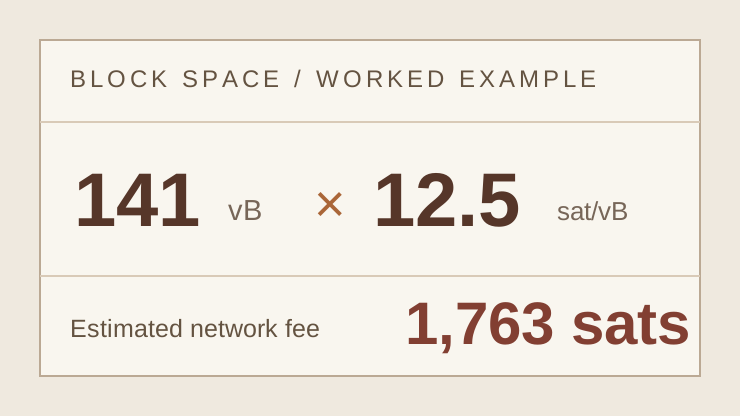
Imagine preparing a payment of 0.002 BTC, or 200,000 satoshis. The application may also show a network fee and a total debit. Before signing, verify the recipient and amount through the device’s supported confirmation process. The satoshi converter can help you understand units, but a calculator cannot validate the intended recipient.
For devices with a trusted display, compare the complete destination shown there with the address obtained through a trusted route. This can reveal a clipboard replacement or a compromised application’s display. It cannot tell you whether the person who supplied that address is trustworthy. Trezor makes this distinction in its address-verification guidance.
Some products rely on different confirmation designs or lack an independent screen. Check the actual device’s documentation instead of assuming every hardware wallet offers the same verification boundary. USB, Bluetooth and QR communication describe connection methods; none is a complete security assessment on its own.
What if the device is lost or the PIN is forgotten?
A functioning recovery method can restore control without the original device. For wallets with a recovery phrase, that means having the correct backup and any additional recovery requirements. Losing one device is therefore different from losing every usable key and backup.
A PIN usually protects access to the physical device. It is not a substitute for the recovery material, and changing it does not invalidate a copied recovery phrase. A thief who has the required backup can potentially restore the wallet elsewhere. See Trezor’s wallet-backup explanation.
Compatibility needs checking. A replacement must support the relevant backup standard, network and account configuration. An optional BIP39 passphrase is also required to reproduce the same seed; an omitted or different passphrase produces a different result. The BIP39 specification explains that mechanism. Do not assume that any wallet can restore any other wallet simply because both display a list of words.
If a manufacturer disappears, a compatible recovery path can reduce dependence on that company. This is a property to investigate before choosing a setup, not a blanket promise that every discontinued device will remain convenient to use.
Check the setup before relying on it
Obtain the device from the manufacturer or an authorized seller and follow its authenticity checks. For a new wallet that uses a generated recovery phrase, a phrase already supplied by a seller is a warning sign. Trezor’s device-safety checks show what that means for its products; other devices have their own procedures.
Use the manufacturer’s documented backup-verification function where available. For example, Trezor provides a backup check that compares recovery data without wiping the active wallet. Do not erase your only working device to find out whether an uncertain backup works.
For a fresh setup, a small test receipt and spend can reveal misunderstood units, address handling or fees before you rely on it more heavily. Follow official update notices and check the recovery prerequisites before firmware changes. An arbitrary six-month update rule is less useful than the actual device’s security guidance.
The decision to make
Ask whether you can explain the complete process: receiving, verifying, signing, backing up and recovering. Include the device’s cost, supported assets, readability and ongoing maintenance in that assessment. A long feature list cannot compensate for a recovery process you cannot use.
Continue with protecting private keys to plan for backup theft, damage and loss, and Bitcoin fees to understand the separate cost of sending a transaction.
Frequently asked questions
Are bitcoins stored inside a hardware wallet?
No. Bitcoin ownership is recorded through the network's transaction history. The device manages signing secrets and approves transactions; its companion software normally prepares and broadcasts them.
What if I lose the device?
A compatible recovery route can restore control if you kept the correct backup and any required passphrase. Check the exact wallet standard and procedure before relying on that plan.
Can a device PIN protect a copied recovery phrase?
No. A PIN controls access to the device. Someone with the required recovery material may restore the wallet elsewhere, so the backup needs its own protection.
Does a trusted display prove the recipient is honest?
No. It helps you compare the destination and amount with information from a trusted route and may reveal a compromised companion app. It cannot judge the person who supplied the address.
Put it to work
Satoshi converterSources are listed above. This guide explains the mechanics; it is educational information, not a recommendation to invest or buy mining equipment.