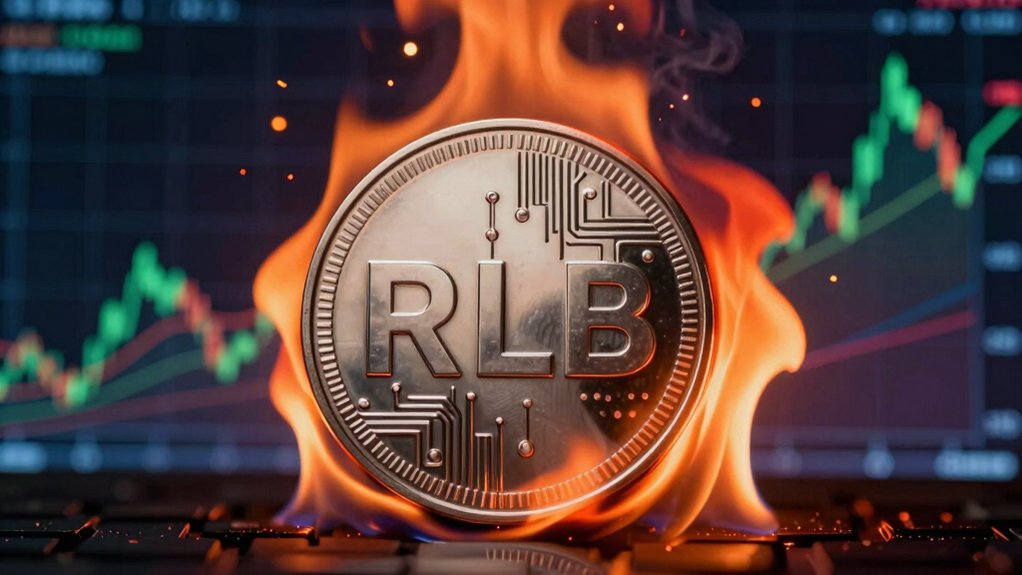

How has the Rollbit platform implemented its token burn strategy to influence the RLB cryptocurrency’s supply and value? Since its initial burn in January 2022, Rollbit has methodically reduced the RLB token supply through a series of burns totaling over 3 billion tokens by 2025, effectively decreasing the circulating supply to around 1.88 billion RLB from the original maximum of 5 billion. The initial burn marked a 4.39% reduction, but continued efforts, including cumulative burns exceeding 35% of the original supply, have enacted significant deflationary pressure intended to enhance scarcity and underpin price appreciation. These burns have been valued in the tens of millions of dollars, offering a clear quantitative link between token destruction and market capitalization. Additionally, the platform’s original design incorporated staking incentives and burn mechanics tied to the RLB Lottery to stimulate token demand and facilitate supply reduction. Token burns like these function similarly to corporate stock buybacks, permanently removing tokens and aiming to control inflation within the ecosystem.
Rollbit’s strategic burns have slashed RLB supply by over 3 billion tokens, driving scarcity and value growth.
The platform’s introduction of an automated buy and burn mechanism in August 2023 marked a strategic evolution in supply management, directly tying RLB repurchases to real-time revenue generated from the casino, sportsbook, and futures segments. This system executes hourly buybacks based on ongoing platform earnings, purchasing over 33 million RLB tokens from the open market, 90% of which are burned on-chain while the remainder rewards Rollbot stakers. The buy and burn activity is funded hourly by a revenue share of 10% from casino, 20% from sportsbook, and 30% from futures, ensuring a steady flow of token deflation. By replacing the unpredictable lottery burn with a consistent and transparent buyback process, Rollbit aims to maintain continuous deflation that aligns token utility with holder value, albeit with a risk that market participants may respond unpredictably to these engineered supply shocks.
Staking and lottery mechanisms further impact the burn dynamics, introducing fees that contribute to permanent RLB destruction alongside rewards for stakers, creating an annualized burn rate that can reach 45% when fully staked. However, as token values have risen, staking participation has slowed, prompting reliance on automated buybacks to sustain momentum. Despite macroeconomic slowdowns, the platform’s monthly revenue ranges from $18 million to $30 million, which supplies consistent buyback funds while preserving liquidity. Market data shows RLB’s price remains modestly volatile, with fluctuations around $0.06 and a fully diluted valuation reflecting a cautious but engaged investor base.
While the deflationary design and revenue-backed buybacks suggest a structurally sound foundation for potential appreciation, the interplay between burned supply and external market forces warrants cautious observation. Traders must weigh the benefits of reduced token supply and utility-driven demand against inherent price volatility and the evolving usage patterns of staking and gambling activities. Consequently, Rollbit’s aggressive burn strategy positions RLB in a complex balance of controlled scarcity and market responsiveness, inviting scrutiny as it approaches potential new cycle highs amid uncertain broader crypto market conditions.