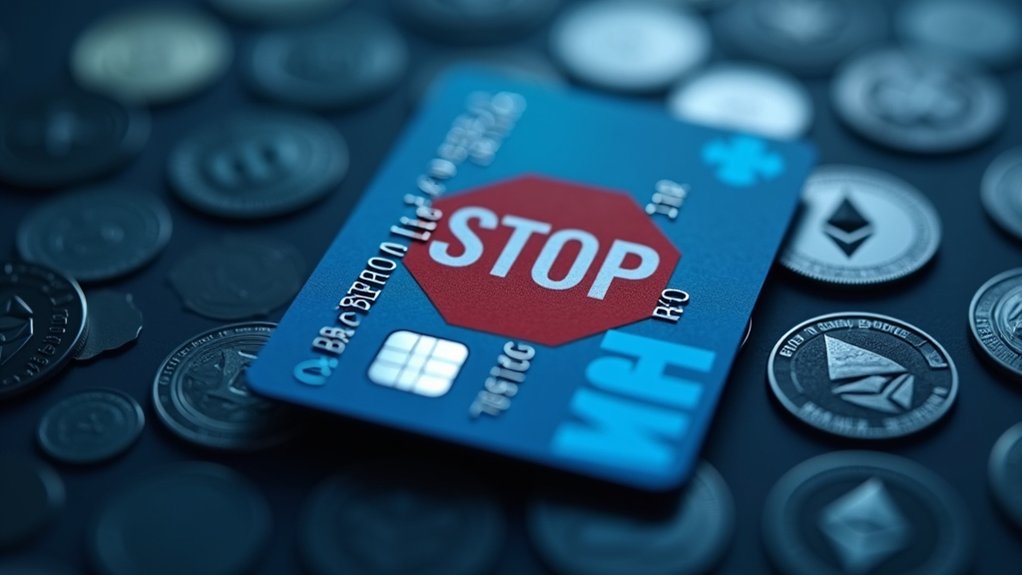

How surprising is it that Barclays, a stalwart of traditional finance, abruptly clamps down on credit card cryptocurrency purchases, citing nebulous “risks” while conveniently sidestepping the obvious question of whether stifling access to volatile digital assets truly protects customers or merely shields the bank from its own lending recklessness? Announced on June 25, 2025, and effective just two days later, this swift ban targets all Barclays-issued credit cards, including those under the Barclaycard brand, effectively blocking both direct crypto buys and transactions routed through third-party applications. The bank’s rationale, thinly veiled behind concerns over “customer safety” and the notorious volatility of Bitcoin and Ethereum, reeks of paternalism disguised as prudence, ignoring the fact that customers retain the freedom to purchase crypto with debit cards or bank transfers—methods involving actual funds rather than borrowed credit. Barclays emphasizes that the ban is part of a broader effort to prevent borrowing for volatile digital assets, reinforcing its commitment to customer safety. Additionally, cardholders can still access various card benefits and services online through the Barclaycard portal, which remain unaffected by this policy change. This move also reflects wider concerns about pump-and-dump schemes that prey on inexperienced investors using credit.
Barclays brands using borrowed money to invest in cryptocurrencies as imprudent, yet fails to address whether its own lending practices might be the real risk here, shifting all blame onto the consumer’s shoulders. The ban extends to credit card cash advances for crypto but stops short of broader restrictions, a half-measure that underscores the bank’s selective risk aversion. This move aligns Barclays with other UK banks like Santander and Lloyds, which have similarly barred credit card crypto purchases, collectively illustrating a sector-wide retreat from unsecured credit exposure tied to speculative digital assets.
For Barclays customers, the effect is immediate and tangible: no more crypto buys on credit, a blunt instrument that curtails speculative trading while ostensibly protecting users from market volatility. Yet, the underlying message is clear—spend your own money if you must, but don’t expect the bank’s credit line to bankroll your crypto ventures. Barclays’ communication skirts transparency, opting instead for vague warnings that obscure the deeper issues of credit risk and financial responsibility, leaving customers grappling with a policy that feels more like self-preservation than genuine consumer protection.